
AI-Powered Full Stack Developer Program
- Build real-world projects
- Master DSA & System Design
- 1500+ hiring partners
- 37,000+ Community
- 100+ Live Hours
- AI-Powered Mock Interviews
Duration : 9 Months, Online
Weekly Effort: 14-15 hours
ELIGIBILITY : Students
Pursuing Graduation ,Graduated
Ceritificate
After Complete Course
Why Join this Program
curriculum
Curriculum Designed To Make You Industry Ready
The Importance of Computing Power
- What is an Application
- Types of Applications
- Web Application Fundamentals
- Web Technologies: Frontend (HTML, CSS, JavaScript, React)
- Web Technologies: Backend (Python, Java, Node.js)
- Web Technologies: Databases (SQL: MySQL, PostgreSQL; NoSQL: MongoDB)
- Software Development Life Cycle (SDLC)
- SDLC Phases: Planning, Analysis, Design, Implementation, Testing, Deployment, Maintenance
- Responsive designs
- Bootstrap
Agile & Scrum Framework
- Waterfall vs. Agile Methodologies
- The Agile Mindset
- Popular Agile Frameworks
- Scrum Overview & Pillars
- Scrum Roles (Product Owner, Scrum Master, Dev Team)
- Scrum Events (Sprint, Planning, Daily Scrum, Review, Retrospective)
- Scrum Artifacts (Product Backlog, Sprint Backlog, Increment)
- Writing User Stories
- Epics and Themes
- Acceptance Criteria
- Estimating User Stories
- Managing Backlogs
- Tools: Google Sheets, Azure Boards
Computing & Data
- The Importance of Computing Power
- Key Computing Technologies: CPU (Central Processing Unit)
- Key Computing Technologies: CPU (Central Processing Unit)
- Introduction to Cloud Computing
- Cloud Service Models: IaaS (Infrastructure as a Service)
- Cloud Service Models: PaaS (Platform as a Service)
- Cloud Service Models: SaaS (Software as a Service)
Introduction to AI, Generative AI & Agentic AI
- What is Artificial Intelligence (AI)?
- How AI Works?
- Machine Learning (ML) Fundamentals
- Deep Learning (DL) Fundamentals
- What is Generative AI?
- Large Language Models (LLMs)
- Image Generation Models
- AI in Everyday Learning
Real-World Applications
- Customer Relationship Management (CRM)
- Human Resource Management Systems (HRMS)
- Retail & E-Commerce Applications
- Healthcare Applications
HTML5 Complete Guide
- Introduction to Web Development & Client-Server Architecture
- HTML Document Structure & Semantic HTML5
- Text, Links & Media Elements
- Lists & Tables
- Forms & Input Elements with Validation
- Accessibility Best Practices
CSS3 Complete Guide
- CSS Fundamentals & Selectors (Specificity)
- Box Model, Typography & Colors
- Layouts & Positioning
- Flexbox for One-Dimensional Layouts
- CSS Grid for Two-Dimensional Layouts
- Responsive Design & Media Queries
- Transitions & Animations
- CSS Variables & Modern Features
Bootstrap 5 Framework
- Bootstrap Setup & Grid System (12-Column Layout)
- Utility Classes (Spacing, Colors, Display)
- Components: Buttons, Cards, Alerts, Badges
- Navigation & Forms
- JavaScript Components: Modals, Carousels, Tooltips
- Responsive Design with Bootstrap
- Customization & Theming
JavaScript Fundamentals
- JavaScript Basics & Integration with HTML
- Variables (let, const) & Data Types
- Operators (Arithmetic, Comparison, Logical)
- Control Flow (if/else, switch)
- Loops (for, while, do-while, for...in, for...of)
- Functions (Declaration, Expression, Arrow Functions)
- Scope & Hoisting
JavaScript Functions & Arrays
- Advanced Functions (Arrow Functions, IIFE)
- Callbacks & Higher-Order Functions
- Closures & Function Scope
- Recursion
- Arrays: Creating, Accessing, Modifying
- Mutating Methods (push, pop, splice, sort)
- Non-Mutating Methods (slice, concat, join)
- Array Iteration (forEach, map, filter, reduce, find, some, every)
- Destructuring & Spread Operator
JavaScript Objects & ES6+ Features
- Objects: Creating, Accessing, Methods
- Object Destructuring & Spread Operator
- Object Methods (keys, values, entries, assign)
- Template Literals & Multi-line Strings
- Enhanced Object Literals
- Computed Property Names
- ES6+ String Methods
- Symbols & Iterators
- let, const & Block Scope
JavaScript DOM & Events
- DOM Fundamentals & Tree Structure
- Selecting Elements (getElementById, querySelector)
- Manipulating Content, Attributes & Styles
- Creating & Removing Elements
- DOM Traversal (Parent, Children, Siblings)
- Event Handling (addEventListener)
- Mouse & Keyboard Events
- Form Events & Validation
- Event Object & Propagation (Bubbling, Capturing)
- Event Delegation Pattern
JavaScript Asynchronous Programming
- Synchronous vs Asynchronous JavaScript
- Call Stack, Web APIs & Event Loop
- Callbacks & Callback Hell
- Promises (Creating, Chaining, Handling Errors)
- Promise Methods (all, race, allSettled, any)
- Async/Await Syntax
- Error Handling with try/catch
- Fetch API for HTTP Requests
- Working with REST APIs
- Local Storage & Session Storage
TypeScript Fundamentals
- Introduction to TypeScript & Setup
- Type Annotations & Type Inference
- Primitive Types (string, number, boolean)
- Arrays & Tuples
- Objects & Interfaces
- Function Types & Overloading
- Union & Intersection Types
- Type Narrowing & Type Guards
- Literal Types
- Type Aliases & Enums
TypeScript Advanced Concepts
- Classes (Properties, Methods, Constructor)
- Access Modifiers (public, private, protected)
- Static Members & Abstract Classes
- Generics (Functions, Classes, Interfaces)
- Generic Constraints
- Utility Types (Partial, Required, Readonly, Pick, Omit)
- Mapped Types
- Conditional Types
- Declaration Files
- TypeScript with Modern Frameworks
React Fundamentals & Environment Setup
- What is React? Why React?
- Setting up Development Environment (Node.js, npm)
- Creating React App with create-react-app / Vite
- Project Structure Overview
- Functional Components vs Class Components
- JSX Syntax and Its Advantages
- Embedding Expressions in JSX
- JSX Attributes (className, htmlFor, camelCase)
- Rendering Elements
Props, State & Event Handling
- Understanding Props (Properties)
- Passing Data to Components via Props
- PropTypes for Type Checking
- Default Props
- Introduction to React Hooks
- useState Hook for State Management
- Updating State and Re-rendering
- Event Handling in React (onClick, onChange, onSubmit)
- Controlled vs Uncontrolled Components
- Form Handling with State
React Hooks Deep Dive
- useEffect Hook (Side Effects, Data Fetching)
- Dependency Array in useEffect
- Cleanup Functions
- useRef Hook (DOM Access, Persisting Values)
- useMemo Hook (Performance Optimization)
- useCallback Hook (Memoizing Functions)
- useReducer Hook (Complex State Logic)
- Custom Hooks (Creating Reusable Logic)
- useLayoutEffect vs useEffect
- Rules of Hooks
Styling, Context API & Routing
- Styling in React:
- Inline Styles with JSX
- CSS Modules for Local Styles
- Styled-Components (CSS-in-JS)
- Context API:
- Creating Context (createContext)
- Provider and Consumer Pattern
- useContext Hook
- Global State Management
- React Router v6:
- Setting up React Router
- BrowserRouter, Routes, Route
- Link and NavLink Components
- useNavigate Hook (Programmatic Navigation)
- Dynamic Routes with useParams
- Nested Routes with Outlet
- Protected Routes
Advanced React Patterns & State Management
- React Children and Composition
- Higher-Order Components (HOCs)
- Render Props Pattern
- Redux Toolkit:
- Store Configuration
- Slices and Reducers
- useDispatch and useSelector Hooks
- Async Thunks for API Calls
- Axios Integration for API Calls
- Error Boundaries
- React Performance Optimization
- Code Splitting with React.lazy and Suspense
- Deployment (Vercel)
Node.js Fundamentals & Environment Setup
- What is Node.js? Why Node.js?
- Node.js Architecture (V8 Engine, Event Loop)
- Blocking vs Non-Blocking I/O
- Installing Node.js and npm
- Node Version Manager (nvm)
- Creating Your First Node.js Application
- Understanding package.json
- npm vs yarn vs pnpm
- Node.js Modules System (CommonJS vs ES Modules)
- Built-in Modules: fs, path, os, http
- Creating Custom Modules
- Debugging Node.js Applications
- Environment Variables with dotenv
Express.js Framework & RESTful APIs
- Introduction to Express.js
- Setting up Express Application
- Routing Basics (GET, POST, PUT, DELETE)
- Route Parameters and Query Strings
- Middleware Concept and Usage
- Built-in Middleware (express.json, express.static)
- Custom Middleware Functions
- Error Handling Middleware
- Building RESTful API Endpoints
- HTTP Status Codes and Best Practices
- Request and Response Objects
- CORS Configuration
- Express Router for Modular Routes
- Postman/Thunder Client for API Testing
MongoDB & Mongoose ODM
- Introduction to NoSQL Databases
- MongoDB Architecture and Features
- Installing MongoDB (Local & Atlas Cloud)
- MongoDB Compass GUI
- CRUD Operations with MongoDB Shell
- MongoDB Data Types and Documents
- Collections and Databases
- Introduction to Mongoose ODM
- Defining Mongoose Schemas
- Schema Types and Validation
- Mongoose Models and Queries
- Creating, Reading, Updating, Deleting Documents
- Query Methods: find(), findOne(), findById()
- Update Methods: updateOne(), findByIdAndUpdate()
- Delete Methods: deleteOne(), findByIdAndDelete()
- Mongoose Middleware (Pre/Post Hooks)
Advanced MongoDB & Data Relationships
- Schema Design Patterns
- Data Modeling: Embedding vs Referencing
- One-to-One Relationships
- One-to-Many Relationships
- Many-to-Many Relationships
- Population (Joining Documents)
- Virtual Properties
- Indexes and Performance Optimization
- Aggregation Pipeline Basics
- $match, $group, $project, $sort stages
- $lookup for Joins
- Text Search in MongoDB
- Text Search in MongoDB
- Data Validation with Mongoose
- Custom Validators
- Schema Methods and Statics
- Query Helpers
Authentication, Security & Deployment
- User Authentication Fundamentals
- Password Hashing with bcrypt
- JSON Web Tokens (JWT)
- Creating and Verifying JWT Tokens
- User Registration and Login API
- Protected Routes with Middleware
- Authorization and Role-Based Access Control
- Express Session Management
- Cookie Handling
- API Security Best Practices
- Input Validation with express-validator
- Rate Limiting and DDoS Protection
- Helmet.js for Security Headers
- File Upload with Multer
- Image Storage (Local & Cloud)
- Error Handling Strategies
- Logging with Morgan/Winston
- Environment Configuration (dev, staging, prod)
- Deployment to Render/Railway/Vercel
- MongoDB Atlas Production Setup
Foundations of Databases & PostgreSQL
- Introduction to Databases & DBMS
- Relational Database Management Systems (RDBMS)
- ACID Properties (Atomicity, Consistency, Isolation, Durability)
- Introduction to PostgreSQL
- PostgreSQL Installation & Setup (Windows, Mac, Linux)
- PostgreSQL Tools: psql, pgAdmin 4
- Database Objects (Databases, Schemas, Tables)
- Data Types: Numeric, Character, Date/Time, Boolean, Special types
- Constraints: PRIMARY KEY, FOREIGN KEY, UNIQUE, NOT NULL, CHECK, DEFAULT
- Creating Databases and Tables
- INSERT Operations and Data Population
- Referential Integrity
Querying and Analyzing Data
- SELECT Statement Basics
- Column Aliases and Expressions
- Comparison Operators (=, !=, >, =, <=) - Logical Operators (AND, OR, NOT) - BETWEEN, IN, LIKE operators - NULL handling (IS NULL, IS NOT NULL) - ORDER BY (Sorting data) - DISTINCT (Removing duplicates) - LIMIT and OFFSET (Pagination) - String Functions (UPPER, LOWER, CONCAT, SUBSTRING, etc.) - Numeric Functions (ROUND, CEIL, FLOOR, ABS, etc.) - Date and Time Functions (CURRENT_DATE, EXTRACT, DATE_TRUNC, etc.) - Aggregate Functions (COUNT, SUM, AVG, MIN, MAX) - GROUP BY and HAVING
- Window Functions (ROW_NUMBER, RANK, LAG, LEAD, etc.) - JOIN Operations: - INNER JOIN - LEFT JOIN / RIGHT JOIN - FULL OUTER JOIN - CROSS JOIN - SELF JOIN - Multi-table Joins - Join Optimization
Advanced Queries & Data Manipulation
- Subqueries in WHERE, SELECT, FROM clauses
- Correlated Subqueries
- EXISTS and NOT EXISTS
- IN and NOT IN with subqueries
- Common Table Expressions (CTEs)
- Recursive CTEs for hierarchical data
- Multiple CTEs
- Set Operators:
- UNION and UNION ALL
- INTERSECT
- EXCEPT
- UPDATE Statements
- UPDATE with expressions
- UPDATE with JOIN
- DELETE Statements
- DELETE with subqueries
- TRUNCATE vs DELETE
- Transaction Management
- BEGIN, COMMIT, ROLLBACK
- Save Points
- Transaction Isolation Levels
- Concurrency Control
Database Programming & Automation
- ALTER TABLE Operations
- Adding, Modifying, Dropping Columns
- Managing Constraints
- Indexes and Performance
- Index Types (B-tree, Hash, GIN, GiST)
- Creating and Managing Indexes
- When to use indexes
- Views and Abstraction
- Creating Views
- Updatable Views
- Materialized Views
- Refreshing Materialized Views
- Stored Functions
- PL/pgSQL Programming Language
- Function Parameters and Return Types
- Control Structures (IF, CASE, LOOP)
- Functions Returning Tables
- Stored Procedures
- Procedure vs Function differences
- Triggers
- BEFORE, AFTER, INSTEAD OF triggers
- Trigger Functions
- Audit Logging with Triggers
- Data Validation with Triggers
- Advisory Locks
Database Design & Optimization
- Entity-Relationship (ER) Modeling
- Entities, Attributes, Relationships
- Relationship Types (1:1, 1:M, M:N)
- ER Diagrams
- Normalization Principles
- First Normal Form (1NF)
- Second Normal Form (2NF)
- Third Normal Form (3NF)
- Normalization Benefits and Trade-offs
- When to Denormalize
- Database Design Best Practices
- Naming Conventions
- Data Type Selection
- Primary Key Strategies
- Foreign Key Design
- Query Optimization
- EXPLAIN and EXPLAIN ANALYZE
- Reading Execution Plans
- Index Strategies
- Query Rewriting Techniques
- Performance Tuning
- Database Statistics (ANALYZE)
- VACUUM and Maintenance
- Connection Pooling
- Table Partitioning
Foundations of Generative AI
- Large Language Models fundamentals
- Transformer architecture
- Comparing major LLMs (GPT, Claude, Gemini, DeepSeek)
- Evolution of LLMs from GPT-1 to 2026 frontier models
- LLM architecture and tokenization
- Model selection for different use cases
- Cost optimization strategies
Prompt Engineering & Context Design
- Advanced prompt engineering techniques
- Context engineering and design
- Reasoning mode optimization
- Reducing hallucinations
- Zero-shot, few-shot, and chain-of-thought prompting
- Multimodal prompting (text, image, audio)
- Domain-specific prompt design
LLM APIs & LangChain 1.0
- OpenAI, Anthropic, Google, and DeepSeek APIs
- LangChain 1.0 fundamentals
- Create_agent abstraction
- Middleware systems for customization
- Multi-provider integration
- Streaming and batching
- Function calling and structured outputs
- Cost-optimized pipelines
RAG & Vector Databases
- Vector databases (ChromaDB, Pinecone, Qdrant)
- Building production RAG pipelines
- Agentic RAG and self-improving retrieval
- MCP-Enhanced RAG
- Embedding strategies
- Hybrid search (semantic and keyword)
- Document processing at scale
- Hallucination reduction techniques
Production Deployment
- Streamlit and Gradio interfaces
- LangGraph Platform deployment
- Cost optimization strategies
- AI governance and EU AI Act compliance
- API security and rate limiting
- Monitoring and observability
- Scaling strategies
- Integration with enterprise tools
Introduction to Agentic AI
- Agentic AI fundamentals (plan, reason, act)
- LangChain 1.0 Agents with middleware
- Model Context Protocol (MCP)
- Tool integration patterns
- Enterprise adoption and use cases
- Agent architectures and design patterns
LangGraph 1.0 Fundamentals
- LangGraph 1.0 architecture
- State management and graph-based logic
- Node caching for development
- Pre/Post hooks for guardrails
- Building AI workflows
- Production use cases
Advanced Workflow Patterns
- Parallel execution with deferred nodes
- Conditional routing and decision trees
- Iterative refinement loops
- Type-safe streaming
- Essay evaluation systems
- Customer feedback routing
- Multi-stage approval workflows
- Quality-gated content generation
Persistence & Human-in-the-Loop
- Durable state management
- Built-in persistence (PostgreSQL, Redis)
- Human-in-the-loop (HITL) implementations
- Multi-day workflow support
- Enterprise compliance and audit trails
- Restart and failure recovery
Production Agentic Systems
- LangGraph Platform deployment
- Multi-agent system design
- Google A2A Protocol for agent-to-agent communication
- LangSmith observability and monitoring
- MCP security model
- Prompt injection prevention
- Compliance and audit trails
- Agent guardrails and safety
Practice and master interviews with AI profiles
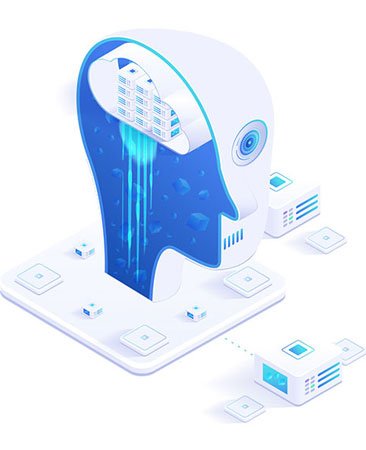
NexElevate Solutions provides complete career support through expert mentoring, interview preparation, profile building, and placement assistance—helping you stand out and get job-ready faster.
1:1 Interview Coaching
Personal mock interviews with experienced industry professionals to build confidence and job-ready skills.
Career Profile Building
Create a strong, market-ready professional profile that stands out to employers.
Placement Support
Access curated job opportunities with guidance from our dedicated placement team.
Resume Enhancement
Optimize your resume to match industry standards and improve interview shortlisting.
Why Nexelevate & Others
Compare Before You Decide
| Feature | NexElevate | Typical Bootcamp |
|---|---|---|
|
Live Mentorship |
✅Yes |
❌ Limited |
|
DSA & System Design |
✅Included |
❌Rare |
|
AI-Powered Resume |
✅Yes |
❌No |
|
1:1 Mock Interviews |
✅Yes |
❌Group Only |
|
Hiring Network |
✅1500+ Companies |
❌Limited |
|
Course Pause |
✅60 Days |
❌No |
|
Real Capstone Projects |
✅Yes |
❌Basic Projects |
What Can You Earn After This Program?
| Role | Average Salary (India) |
|---|---|
|
Frontend Developer |
₹4 – ₹8 LPA |
|
Backend Developer |
₹5 – ₹10 LPA |
|
Full Stack Developer |
₹6 – ₹18 LPA |
|
Software Engineer |
₹8 – ₹20 LPA |
Tools & Technologies









Frequently Asked Questions (FAQs)
RPA automates rule-based tasks, while Intelligent Automation combines RPA with AI to handle complex, cognitive processes.
No. RPA remains valuable for structured, repetitive tasks but is increasingly enhanced by AI technologies.
Initial costs may be higher than RPA, but long-term ROI and scalability justify the investment.
Yes, with proper architecture and integration strategies.
Pilot projects can start within weeks, while enterprise-wide deployments may take several months depending on complexity.
Yes. MQBIT offers consulting, development, integration, and optimization services for both RPA and Intelligent Automation.
Get in Touch
Phone Number
+91 966 776 6204 | +91 96259 00439
info@nexelevatesolutions.com
Address
37 South Hanover Drive Springfield Gardens, NY 11413
Business Hours
Monday — Friday 9am – 5pm
Saturday — 10am – 3pm
Sunday — Closed